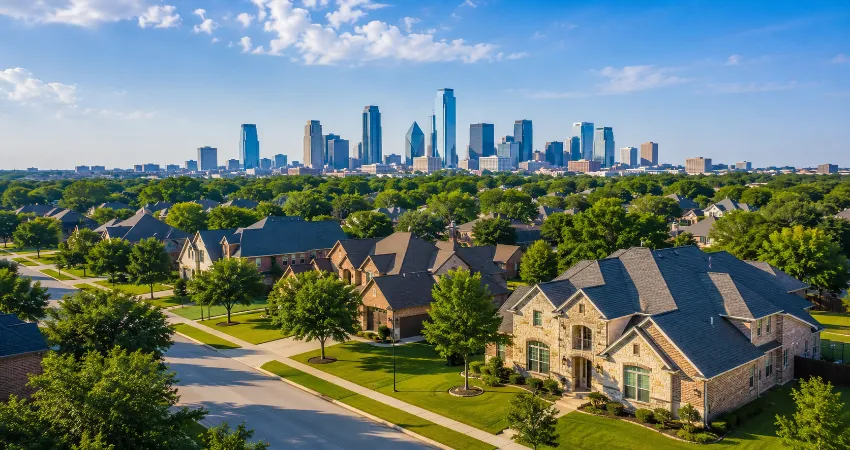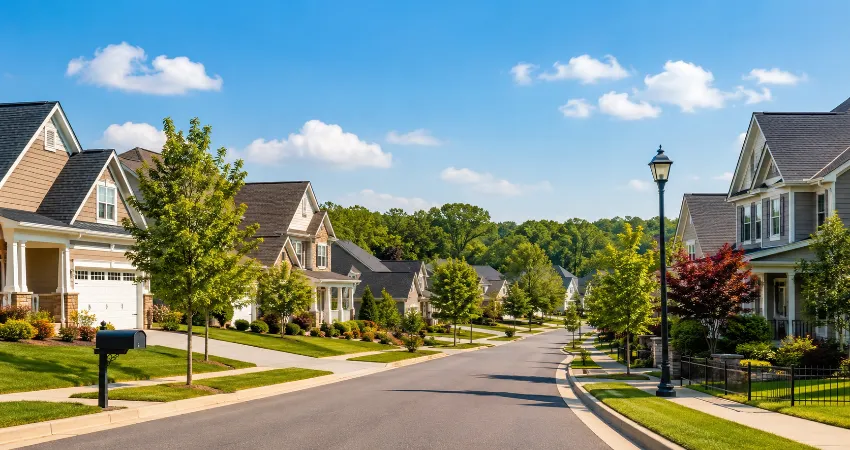
North Carolina has become one of the fastest-growing states in the United States, attracting families, professionals, retirees, and remote workers alike. Strong job growth, nationally recognized universities, expanding healthcare systems, and a relatively affordable cost of living compared to many coastal states have significantly increased demand for quality residential communities.
Whether someone is relocating for work or looking for a long-term place to settle, choosing the right neighborhood plays a major role in overall quality of life.
After reviewing current housing trends, population growth, infrastructure, school performance, community amenities, and long-term development patterns, it becomes clear that some residential areas consistently stand out above the rest.
These locations offer more than attractive homes they provide access to employment, recreation, healthcare, education, and vibrant local communities. The following guide highlights fifteen of the most desirable residential areas across North Carolina and explains what makes each one highly sought after.
Top 15 Best High-Demand Residential Areas In North Carolina
1. Cary
Cary continues to rank among North Carolina’s most desirable places to live. Located between Raleigh and Research Triangle Park, it offers outstanding public schools, beautifully maintained parks, extensive greenway trails, and convenient access to major employers. Residents appreciate the balance between suburban comfort and urban convenience. Housing demand remains strong because of Cary’s reputation for safety, family-friendly neighborhoods, and continuous community investment.
2. Chapel Hill
Known for its academic atmosphere and cultural diversity, Chapel Hill combines historic charm with modern living. The presence of the University of North Carolina creates a vibrant environment filled with educational opportunities, arts, healthcare facilities, and local businesses. Families value the highly rated schools, while professionals enjoy access to research and healthcare careers. Walkable neighborhoods and abundant parks further enhance its appeal.
3. Apex
Apex has experienced remarkable growth while maintaining its small-town character. Its historic downtown, excellent schools, and expanding residential developments make it a preferred destination for young families and professionals. Community events, recreational facilities, and easy access to nearby employment centers contribute to consistently high housing demand.
4. Raleigh
As North Carolina’s capital city, Raleigh offers a diverse housing market with neighborhoods suitable for nearly every lifestyle. Strong employment opportunities in technology, government, education, and healthcare continue attracting new residents each year. The city also provides museums, parks, restaurants, entertainment venues, and excellent transportation infrastructure.
5. Charlotte
Charlotte remains one of the largest economic hubs in the southeastern United States. Its growing financial sector, expanding technology industry, and thriving healthcare system support a robust housing market. Residential communities range from vibrant urban districts to quiet suburban neighborhoods, giving buyers and renters numerous options based on their lifestyle preferences.
6. Holly Springs
Holly Springs has transformed into one of the state’s fastest-growing suburban communities. Modern housing developments, quality schools, recreational parks, and family-oriented amenities have made it increasingly attractive. The town continues investing in infrastructure while preserving green spaces that contribute to its welcoming atmosphere.
7. Wake Forest
Located just north of Raleigh, Wake Forest combines historic charm with modern suburban development. Residents benefit from lower traffic compared to larger cities while remaining close to major employment centers. Its expanding shopping districts, excellent schools, and community events create a balanced lifestyle for families and retirees.
8. Morrisville
Morrisville’s strategic location near Research Triangle Park makes it especially appealing to professionals working in technology and life sciences. The town is recognized for its cultural diversity, excellent transportation access, and growing residential communities. Parks, greenways, and recreational facilities support an active lifestyle.
9. Davidson
Davidson offers a unique combination of college-town atmosphere and upscale residential living. Tree-lined streets, walkable neighborhoods, and a vibrant downtown create a welcoming environment. Residents appreciate the community’s emphasis on sustainability, education, and local businesses while enjoying convenient access to Charlotte.
10. Huntersville
Huntersville has become a preferred suburb for professionals seeking easy commuting options to Charlotte. The area features quality schools, family-friendly neighborhoods, shopping centers, and outdoor recreation near Lake Norman. Continued residential development keeps demand consistently strong.
11. Fort Mill Area (Near the North Carolina Border)
Although technically located in South Carolina, communities near the North Carolina border are popular among people working in Charlotte. Residents often choose the area because of convenient commuting, modern residential developments, recreational facilities, and expanding commercial districts.
12. Wilmington
For those seeking coastal living, Wilmington provides an attractive combination of beaches, historic neighborhoods, healthcare services, and growing employment opportunities. The city’s lifestyle appeals to retirees, remote workers, and families looking for access to both urban amenities and outdoor recreation.
13. Asheville
Asheville attracts residents who appreciate mountain scenery, arts, and outdoor adventure. The city is known for its vibrant local culture, independent businesses, hiking opportunities, and healthcare facilities. Although housing prices have increased, demand remains high due to the area’s unique character and quality of life.
14. Cornelius
Cornelius is another highly desirable Lake Norman community offering waterfront living, boating opportunities, quality schools, and luxury residential developments. Many professionals working in Charlotte choose Cornelius for its peaceful environment and recreational lifestyle.
15. Durham
Durham has experienced significant revitalization over the past decade. Home to leading universities, healthcare institutions, and technology companies, the city attracts students, professionals, and entrepreneurs. Diverse neighborhoods, cultural attractions, and ongoing economic growth continue supporting strong residential demand.
Factors That Make These Residential Areas Highly Desirable
Several common characteristics explain why these communities consistently experience high housing demand. Strong public school systems, expanding employment opportunities, healthcare access, safe neighborhoods, well-maintained parks, shopping centers, reliable transportation, and long-term economic development all contribute to their popularity. Buyers also increasingly value walkability, green spaces, community events, and modern infrastructure when selecting a place to live.
Tips for Choosing the Right Residential Area
Selecting the best neighborhood depends on individual priorities rather than popularity alone. Families may prioritize school quality and community safety, while professionals often focus on commuting convenience and employment opportunities. Retirees may place greater importance on healthcare access, recreational activities, and peaceful surroundings. Visiting neighborhoods at different times of the day, researching future development plans, and comparing housing costs can help buyers make informed decisions.
Frequently Asked Questions
1. Which residential area is considered the best for families in North Carolina?
Cary, Apex, and Holly Springs consistently rank among the best choices for families because they offer excellent schools, safe neighborhoods, community parks, recreational programs, and convenient access to employment centers. These communities also continue investing in public infrastructure and family-oriented amenities.
2. What city offers the strongest job opportunities?
Charlotte, Raleigh, and Durham provide some of the state’s strongest employment markets. Major industries include technology, finance, healthcare, education, research, manufacturing, and government services, creating diverse career opportunities for professionals with different backgrounds.
3. Are home prices increasing in North Carolina?
Many high-demand residential areas have experienced steady home value growth due to strong population increases and limited housing inventory. Although market conditions may vary by location, long-term demand continues supporting property values across many desirable communities.
4. Which area is best for retirees?
Wilmington and Asheville remain popular retirement destinations because they offer attractive natural surroundings, quality healthcare facilities, recreational opportunities, and active community lifestyles. Many retirees also appreciate the relatively moderate climate throughout much of the year.
5. Is Raleigh better than Charlotte for residential living?
Both cities offer excellent living environments. Raleigh is often preferred for its research-based economy and educational institutions, while Charlotte attracts residents seeking careers in finance, business, and large corporate organizations. The better choice depends on personal lifestyle and career goals.
6. Which communities have excellent public schools?
Cary, Chapel Hill, Apex, Wake Forest, Davidson, and Holly Springs are frequently recognized for strong public education systems. These communities also provide access to extracurricular activities, libraries, parks, and educational resources that support student success.
7. Are these residential areas suitable for remote workers?
Yes. Most of these communities provide reliable internet infrastructure, coworking spaces nearby, quality residential neighborhoods, and access to coffee shops, parks, and recreational amenities that support a productive work-from-home lifestyle.
8. Which area offers the best outdoor recreation?
Asheville provides exceptional mountain hiking and outdoor adventure, while Wilmington offers beaches and water activities. Lake Norman communities such as Cornelius and Huntersville are ideal for boating, fishing, and lakeside recreation.
9. What should buyers consider before choosing a neighborhood?
Buyers should evaluate school quality, commute times, safety, healthcare access, housing costs, property taxes, future development plans, local amenities, and overall community atmosphere. Visiting neighborhoods personally can provide valuable insights beyond online research.
10. Why are these locations considered high-demand residential areas?
These communities consistently attract new residents because they combine economic opportunity, strong public services, desirable neighborhoods, quality schools, recreational facilities, and long-term infrastructure investment. Their balanced lifestyle continues making them attractive places for individuals and families alike.
Conclusion
North Carolina offers an impressive variety of residential communities that appeal to different lifestyles and priorities. Whether someone values career opportunities, outstanding schools, outdoor recreation, coastal living, or a welcoming suburban environment, there is a community that fits those needs.
Cary, Raleigh, Charlotte, Chapel Hill, Apex, and the other locations highlighted in this guide continue to demonstrate why they remain among the state’s most desirable places to call home. By carefully evaluating personal priorities alongside local housing trends and community features, prospective residents can make a confident and informed decision for long-term living.